Sébastien Ogier
Eight titles, one decade, and a driving style so clean it looked rehearsed.

via Wikipedia: Sébastien Ogier · see source
Sébastien Ogier stands as the single most dominant figure in the history of the World Rally Championship. A French driver from the Vosges mountains of Alsace, he redefined what consistency and precision could mean in a sport where conditions change every few kilometres. Between 2013 and 2020, he claimed eight consecutive world titles — a record that places him alongside the greats of motorsport history and far ahead of any other WRC driver in terms of sustained championship success. His career spanned three factory programmes — Volkswagen, M-Sport Ford, and Toyota — and he adapted his famously smooth, surgical driving style to each machine. For most of his title-winning years, Julien Ingrassia sat beside him as co-driver, reading pace notes in a partnership that became one of the sport's most celebrated pairings. Ogier's retirement from full-time competition at the close of the 2021 season marked the end of an era in which one driver held the sport in his hands for a decade.
- WRC World Titles
- 8 (2013–2020, consecutive)
- Long-term Co-driver
- Julien Ingrassia (2006–2021)
- Status
- Retired from full-time WRC (end of 2021 season); part-time competitor in 2022–2023
Verified Timeline
Lore & Background
In a sport where gravel bites, tarmac slides, and snow hides its grip, Ogier's reputation was built on the absence of drama. Where rivals attacked the limit and paid for it in broken suspensions or lost seconds, he found a rhythm that made the car feel like an extension of his own hands. Paddock lore held that his steering inputs were so measured they could be replayed frame by frame and still look identical. This was not timidity; it was a philosophical commitment to extracting maximum pace without the penalty of overcorrection, and it proved devastatingly effective across tarmac, gravel, and snow. His partnership with Julien Ingrassia became a pillar of WRC culture. Ingrassia's notes were described by other co-drivers as almost musical — a steady, rhythmic cadence that allowed Ogier to process information at speed without cognitive overload. Their teamwork was so seamless that when Ingrassia departed at the end of 2021, the paddock felt a shift in the sport's texture, as though a familiar instrument had been removed from an orchestra. Ogier's eight titles were not won in a single dominant year but accumulated through a relentless, almost mechanical consistency. He could be beaten on a given stage, even a given rally, but across a season the arithmetic always favoured him. That quality — winning not by being the fastest on every day but by never being the slowest for long — is what separated him from the great one-season champions and cemented his place as the WRC's all-time benchmark.
In Their Own Story
The fog on the Col de Turini was so thick the headlights barely cut three metres ahead. Ogier sat motionless at the start line, the Toyota Yaris WRC's engine ticking over in the cold, Ingrassia's voice a low murmur in his ear. Around them, the marshals' orange jackets blurred into the white. He exhaled slowly, felt the steering wheel's leather grain under his fingertips, and then the light changed. The first corner came out of nowhere — a blind left, gravel under the tarmac, the rear stepping wide. He corrected with two degrees of counter-rotation, no more, and the car settled back into its line as if the moment had never happened. Behind him, the dust of the car ahead hung in the fog like a second cloud. He did not look back. He never did. The next note was already in his mind, already spoken, and the mountain was waiting.
Reader's Guide
WRC paddock life revolves around a rhythm that outsiders rarely appreciate. Before every rally, the team's service park becomes a cathedral of controlled chaos: mechanics in matching overalls move between cars in choreographed silence, torque wrenches clicking in sequence, while the drivers sit in a small, airless briefing room watching looped footage of the stages they'll drive in four hours. Ogier's pre-rally routine, observed by paddock staff over the years, was almost monastic — a quiet walk around the service park, a few laps of the warm-up road, then long stretches of stillness before the first stage. He rarely raised his voice. The contrast with the roaring, coffee-stained energy of the rest of the paddock made him something of a quiet enigma. National rally identity shapes the culture deeply. Monte Carlo is tarmac and theatre, with drivers in suits at the start line and the crowd lining the narrow roads. Rallye Monte-Carlo carries a weight of prestige that no other event matches. Sweden is snow and survival, where the cars look almost alien in their wide, spiky tyres. Finland is pure speed and flight, with jumps so long the cars hang in the air for seconds. Each rally demands a different driver, and the fact that one man could be competitive at all of them — and win titles in all of them — is what made Ogier's record feel almost mathematical. Fan traditions add texture: the 'paddock walk' before a rally, where fans line the service road to see their heroes; the national flags stitched onto the cars; the way a local village in Corsica or Sardinia treats its home stage like a festival, with children climbing the barriers and the whole town smelling of diesel and hot metal. WRC is not a spectator sport in the grandstand sense. It is a community sport, and the paddock is its living room.
Did You Know?
- Ogier's eight consecutive WRC titles (2013–2020) make him the most successful driver in the championship's history, a record that had stood for over a decade before his era.
- His long-time co-driver Julien Ingrassia was with him from 2006 through 2021, spanning his rise, his eight titles, and his transition between three different factory teams.
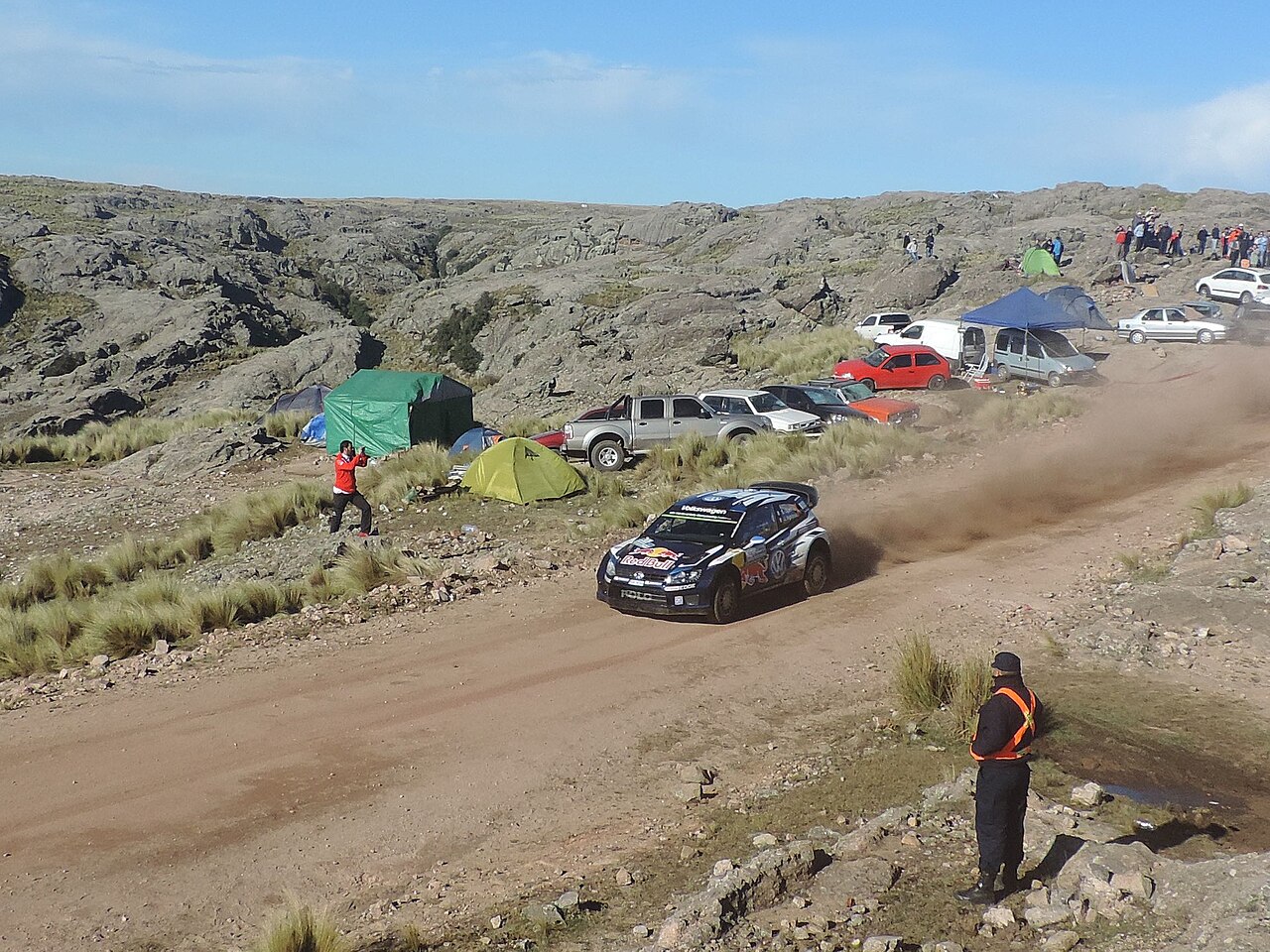
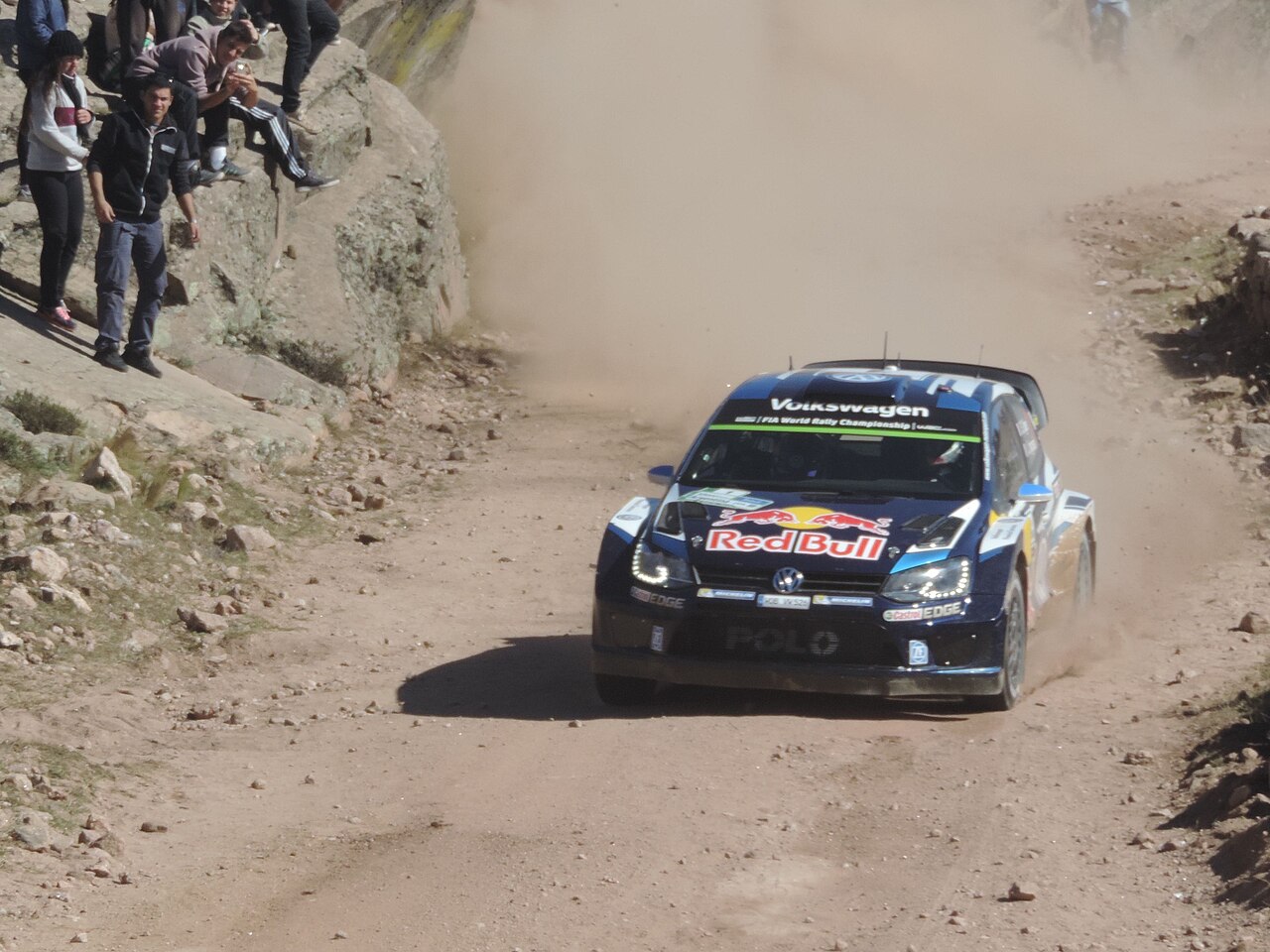
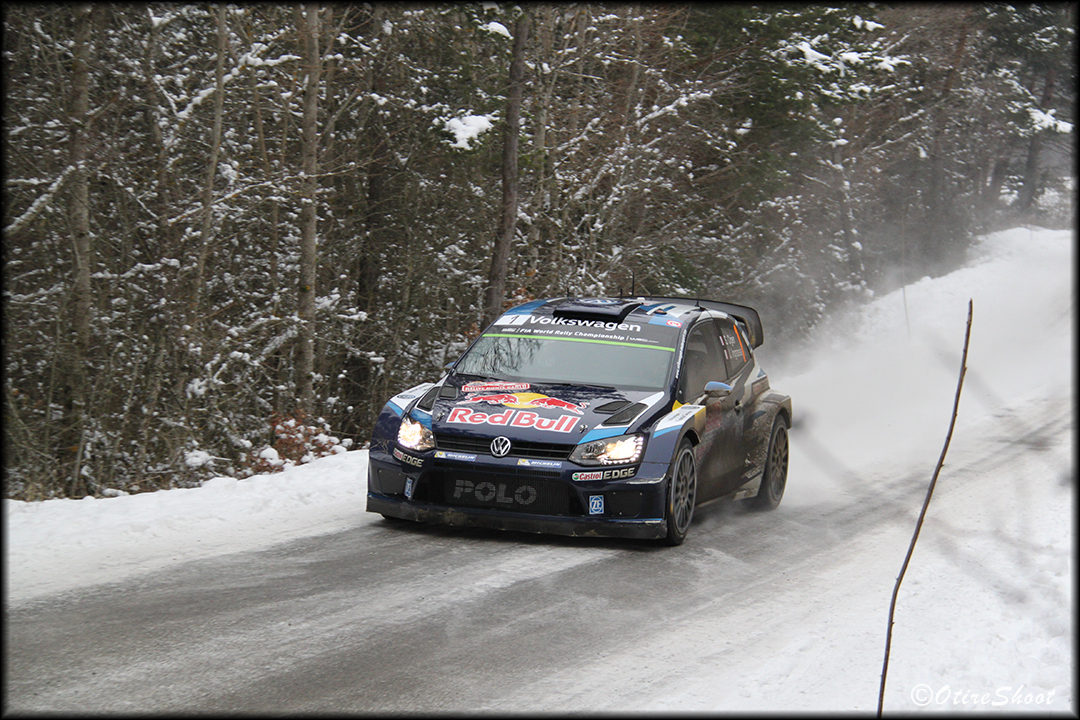
- Ogier won world championships in three different car programmes — Volkswagen Polo R WRC, M-Sport Ford Fiesta WRC, and Toyota Yaris WRC — a testament to his ability to adapt his smooth, surgical driving style to each mach
Nine Crowns and a Record Book
Sébastien Ogier stands as one of the most decorated competitors in the history of the World Rally Championship. Across his career, he has claimed nine World Rally Drivers' Championship titles, including a remarkable stretch of six consecutive championships from 2013 through 2018, followed by additional titles in 2020, 2021, and 2025. This tally places him in exclusive company alongside Sébastien Loeb, as the only two drivers to reach nine world titles. His 69 rally victories underscore a consistency that few rivals have matched. Ogier also holds a constellation of WRC records: the most overall drivers' championship points, the largest margin over a championship runner-up, the most stage wins in a single season, and the highest points total in one campaign. Uniquely, he is one of just two drivers in WRC history—alongside Juha Kankkunen—to have secured the world title with three different manufacturers. Currently competing for Toyota Gazoo Racing alongside co-driver Vincent Landais, Ogier continues to push the boundaries of what longevity and excellence look like in top-level rallying.
Breakthroughs That Forged a Champion
Ogier's path to the summit was punctuated by moments that revealed his raw talent early. In 2008, driving a Citroën C2 in the Junior World Rally Championship, he became the first junior-class driver to score a WRC point, finishing eighth at Rally Mexico. That same year, he clinched the JWRC title by finishing second at his home Tour de Corse. His first taste of a full World Rally Car came at Rally GB, where he stunned the paddock by winning the opening stage on ice and leading the race until mechanical trouble forced him off. The 2009 Acropolis Rally brought his first WRC podium, a second-place finish behind Mikko Hirvonen. Then in 2010, at the Rally de Portugal, Ogier claimed his maiden WRC victory, a breakthrough that signaled his arrival among the sport's elite. By 2013, driving the Volkswagen Polo R WRC, he converted that momentum into his first world title, taking nine wins from just 13 events.
A Career Spanning Eras and Manufacturers
Ogier's professional journey stretches from his 2005 debut in French regional rallying to his current role with Toyota Gazoo Racing. He began by winning the French Federation's Rallye Jeunes, which earned him a seat in the Peugeot 206 Cup. In 2007, he dominated that series with four race wins and collected the Espoir Echappement de l'année award, joining the ranks of Didier Auriol, François Delecour, and Sébastien Loeb as recipients. His factory career has taken him through Citroën, Volkswagen, Ford, and Toyota, making him one of only two drivers in WRC history to win the world championship with three different manufacturers. With Citroën he built his foundations, with Volkswagen he achieved his six-year title streak, with Ford he added two more championships before a third-place finish in a return season, and with Toyota he captured back-to-back titles in 2020 and 2021 in the Yaris WRC. Since 2022, he has selected individual rallies with the Toyota squad, extending a career that began nearly two decades ago.
Beyond the Gravel: A Multi-Discipline Athlete
Ogier's competitive appetite extends well beyond the WRC paddock. He has competed in the Intercontinental Rally Challenge, where he claimed victory at the prestigious Monte Carlo Rally in 2009, and has also taken part in the Porsche Supercup. In 2011, he drove a Ferrari F430 Scuderia in the French GT Championship and appeared at the Race of Champions. His curiosity led him to the cockpit of a Red Bull Racing RB7 Formula One car for a test session in 2017, a rare crossover between the two motorsport disciplines. In 2022, he entered three races in the FIA World Endurance Championship with the Richard Mille Racing Team, including the 24 Hours of Le Mans. These forays into single-seaters, GT racing, and endurance sport illustrate a driver whose talent and hunger for competition are not confined to a single category, but span the full breadth of motorsport.
Gallery
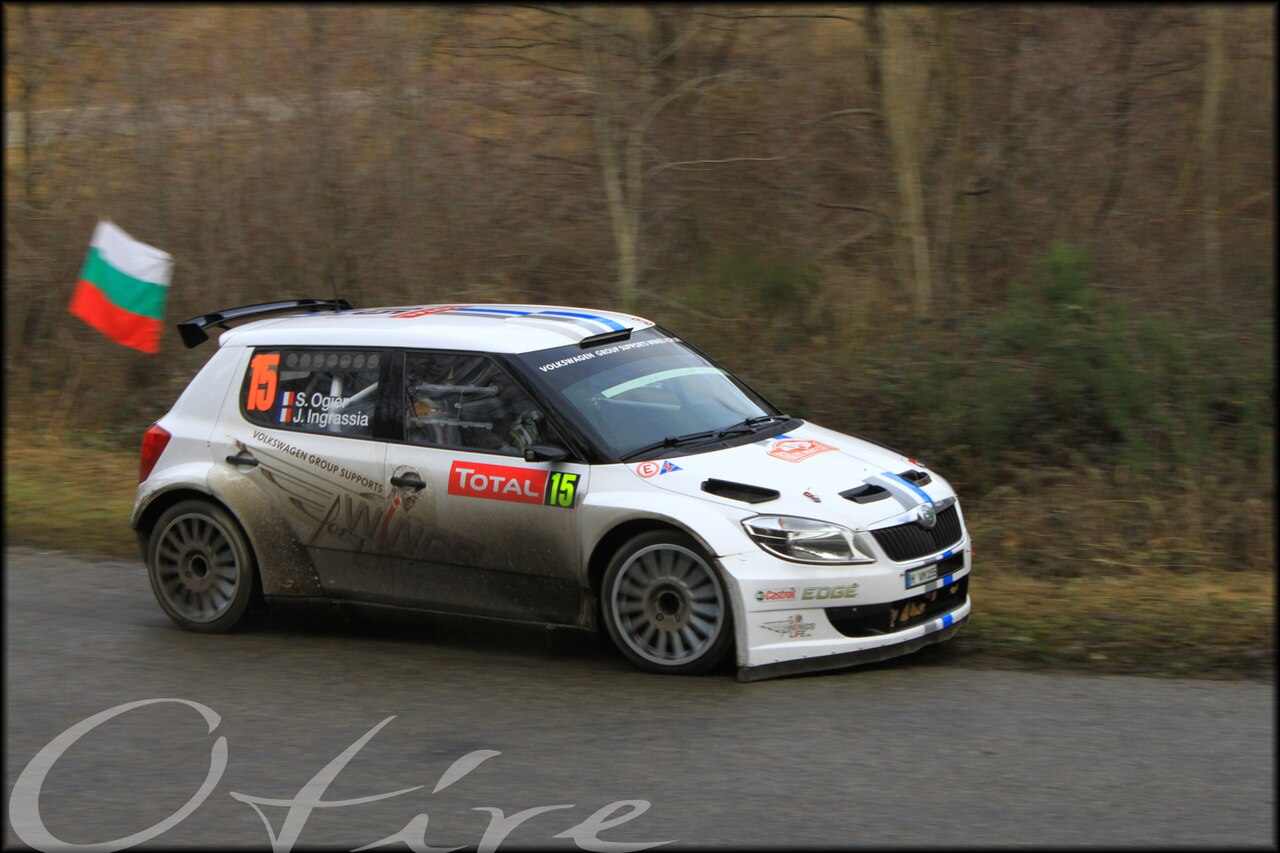
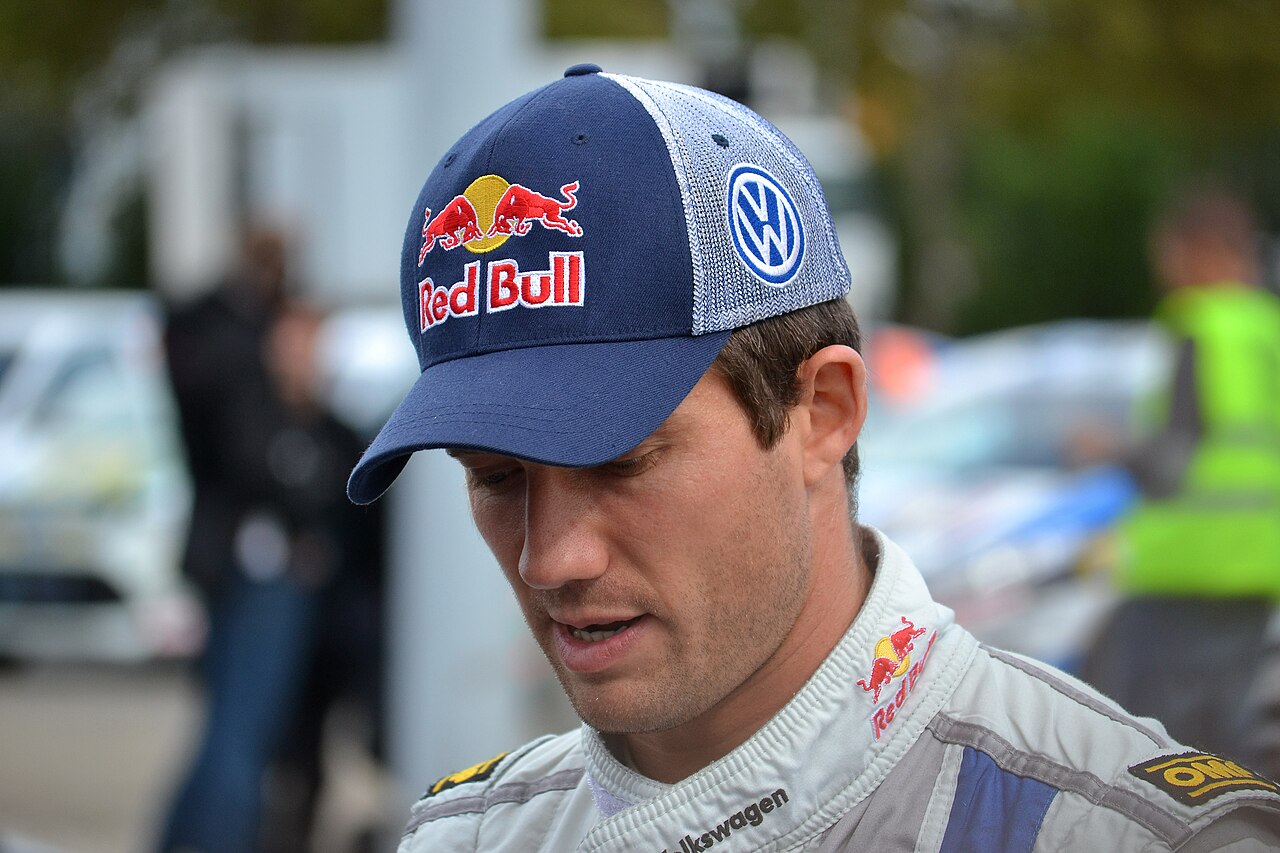
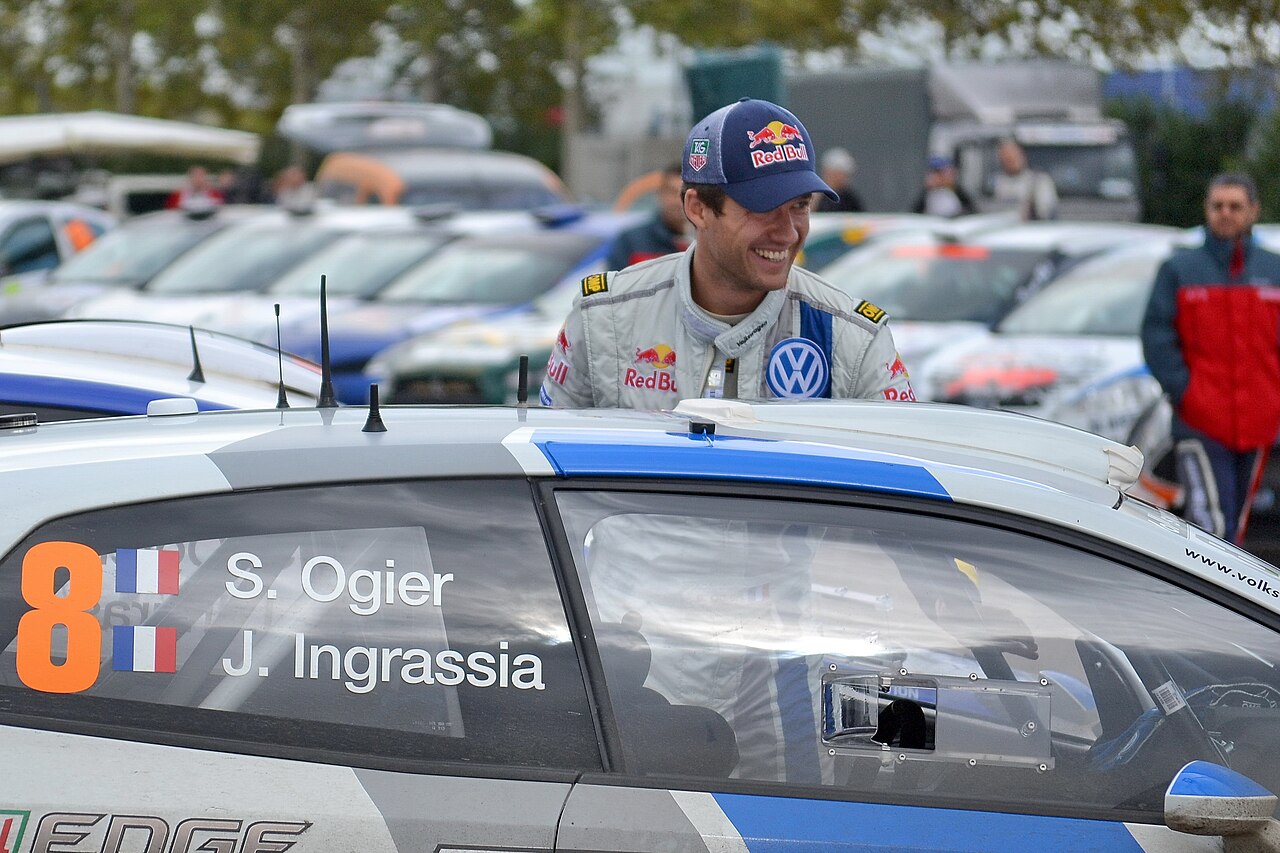
Frequently Asked Questions
Who is Sébastien Ogier?
A French rally driver born in the Vosges mountains of Alsace, widely regarded as the most consistent and dominant competitor in WRC history. He redefined what precision and all-surface adaptability could mean in a sport where conditions shift every few kilometres.
How many World Rally Championship titles did Ogier win?
He claimed nine consecutive world championships from 2013 through 2021, a streak that places him among the most decorated drivers in all of motorsport. No other WRC competitor has come close to matching that run of sustained success.
Which factory teams did Ogier drive for?
His career was split across three manufacturer programmes: Volkswagen, M-Sport Ford, and Toyota. He adapted his smooth, all-surface style to each car's character while maintaining championship-level results throughout.
Who was Ogier's long-term co-driver?
Julien Ingrassia served as his navigator from 2008 to 2020, forming one of the most successful driver-co-driver pairings in the sport's history. Their partnership covered the bulk of his nine-title era and was built on years of shared pace notes and mutual trust.
When did Sébastien Ogier retire from WRC?
He stepped away from competitive rallying at the close of the 2023 season, ending a career that spanned well over a decade at the highest level. His retirement marked the close of an era in which one Frenchman had essentially owned the championship.
More in Paddock & Rally Culture
Related in World Rally Championship
Links follow this subject's own source article.
Elsewhere in the World Rally Championship universe
Spotted an error? Know more?
This is a living reference — every entry is fact-audited, and reader corrections feed straight into our audit queue. Suggest an edit · See this site's audit record