Colin McRae
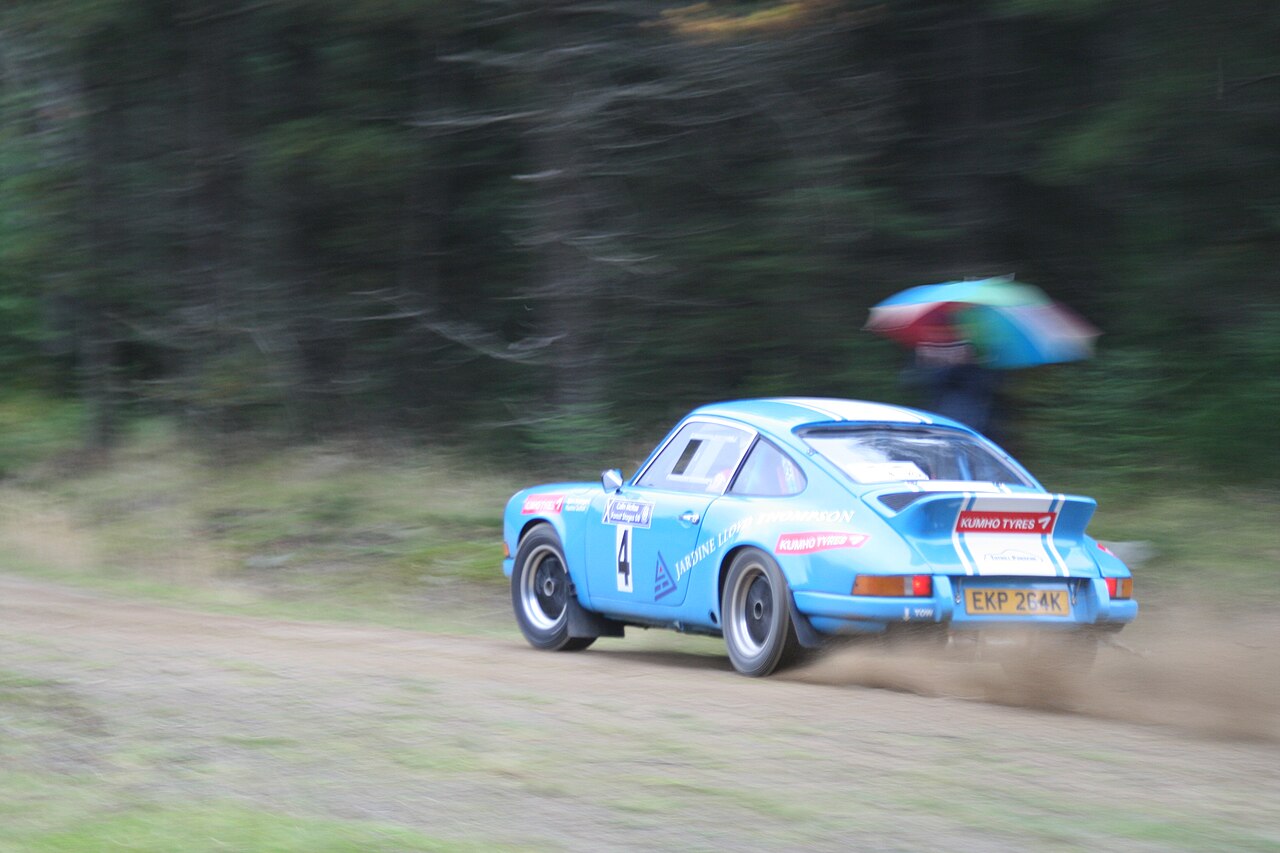
Left foot on the brake, right foot on the limit — the original flat-out hero.

Liz Jones from Sheffield, UK · CC BY 2.0
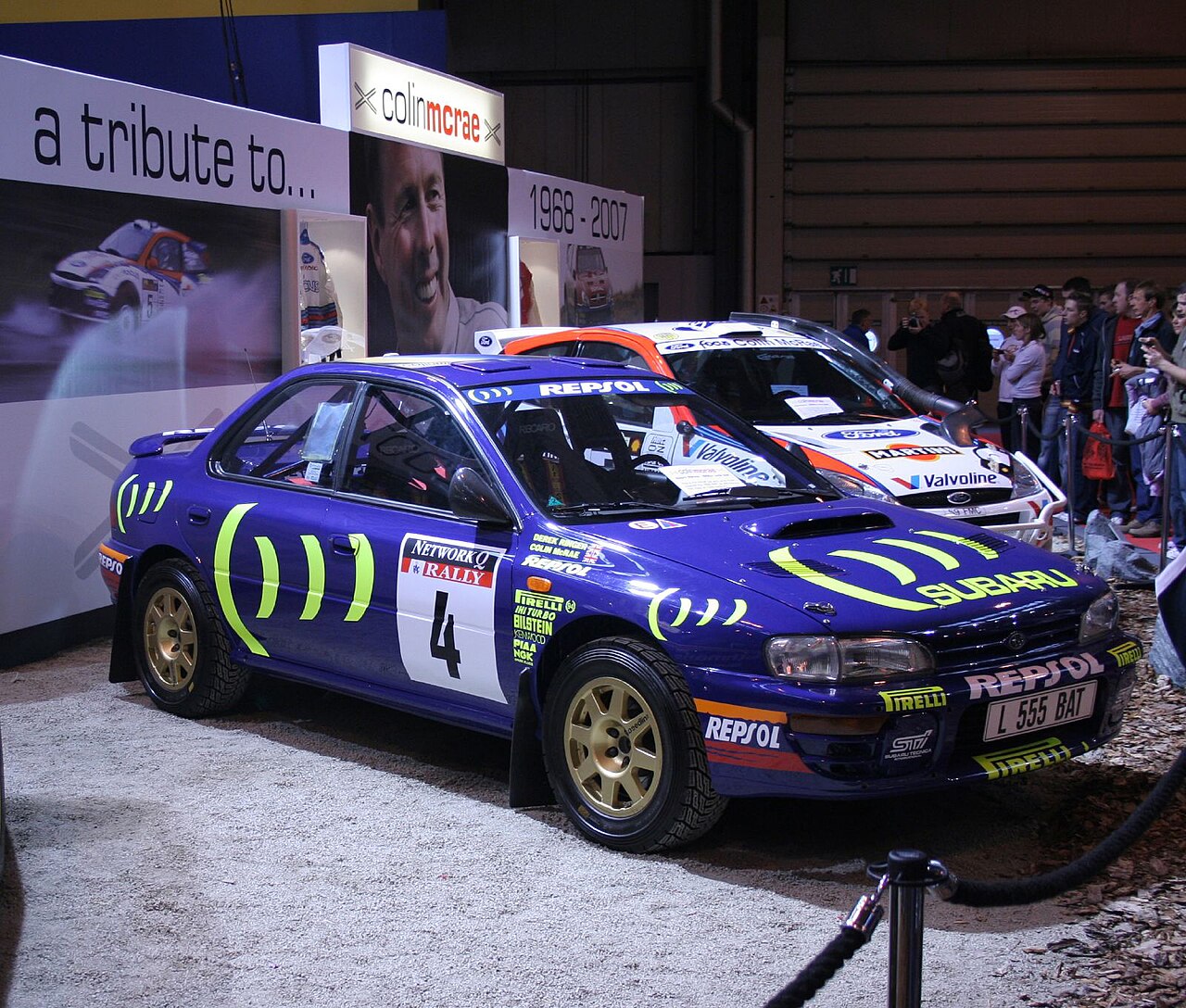
Colin McRae is one of the most beloved and polarising figures in World Rally Championship history. A Scottish driver from Airdrie, he became the face of the Subaru WRC programme in the mid-1990s, bringing a ferociously aggressive, left-footed driving style that redefined what fans expected from a rally car in motion. His 1995 World Drivers' Championship, won behind the wheel of a Subaru Impreza 555, remains one of the most celebrated individual titles in the sport's history and cemented his place in the pantheon of rally greats alongside Sainz, Mäkinen, and Loeb.
- Regular co-driver
- Nicky Grist
Verified Timeline
Lore & Background
The mid-1990s WRC was a different animal. Cars were louder, more mechanical, and the drivers were allowed to be more visibly human in their aggression. McRae first drove for Subaru as a privateer on the 1991 RAC Rally, but his first full factory drive with the team came in 1993, and he quickly proved he belonged on the front row. By 1994 and 1995, the Subaru Impreza 555 (Group A) had become a credible challenger, and McRae's willingness to push the car into conditions where others lifted off gave him a reputation for fearless, sometimes reckless, speed. His 1995 title, clinched in a tight battle with Carlos Sainz, was a statement that a British driver could still dominate the world championship in an era when Finnish and French names were becoming more common.
In Their Own Story
The fog had rolled off the Cairngorms by the time the Impreza crested the final rise into the forest section. McRae could see the trees through the mist like dark brushstrokes against grey sky, and the gravel was slick with morning rain. Gidney called the crest — 'Left, left, fast, crest' — and McRae didn't slow. He never slowed. The car stepped out, the rear swinging wide, and for half a second the world tilted and the gravel sprayed in a white fan behind them. Then the left foot found the throttle again, the tires bit, and the Impreza was gone, swallowed by the pines, leaving only the echo of the boxer engine and a trail of dust that hung in the cold air like a ghost. The spectators on the ridge, wrapped in oilskins, just stood there with their mouths open, watching the blue-and-white blur disappear into the grey.
Reader's Guide
The WRC paddock in the mid-1990s was a world unto itself, and Colin McRae was its unofficial ambassador. Fans would queue from dawn at service parks in Llanelli, Sanremo, and Ounava, not just to see the cars but to hear the specific rasp of a Subaru boxer engine idling in the pit lane. A ritual among Scottish and British supporters was to gather on the ridge above the Monte Carlo coastal stages, shouting not just encouragement but calling out the corner names alongside the co-driver, creating a second set of notes in the air. National identity in rally was fierce. At Rallye de Portugal, the crowd would sing along to the rhythm of gravel under tyres. The Subaru fans, many of them young and passionate, would paint their cars blue and white and follow the team across continents, sleeping in vans, eating cold beans, and treating every stage as a sacred event. McRae's left-footed driving became a cultural touchstone. Young drivers at karting tracks would mimic his technique, and in pubs from Airdrie to Helsinki, the question 'left foot or right foot?' was a rite of passage. The WRC was not just a motorsport; it was a community, and McRae was its loudest, fastest, most unapologetic voice.
Did You Know?
- Colin McRae was left-footed, using his left foot for braking and clutch, and his right foot for the throttle — a technique that drew both admiration and controversy throughout his career.
- Despite occasional rumours, McRae never competed in Formula 1; he did not appear in Grands Prix with Brabham or Simtek.
- His 1995 World Championship was a defining moment for Subaru in WRC, establishing the Impreza as a genuine front-row contender and launching the brand's rally identity for a generation of fans.
- McRae's co-driver Nicky Grist joined him in 1997; earlier co-drivers included Derek Ringer.
Franchise Origins & Pioneering Status
The rally racing video game series that would eventually be rebranded as DiRT and DiRT Rally first appeared in 1998 under the name Colin McRae Rally. Developed and published by Codemasters, the inaugural title launched on PlayStation and Microsoft Windows in the United Kingdom in January of that year, with a North American release following in September 1999. The game drew directly from the 1998 World Rally Championship season, incorporating real cars and drivers, and placed McRae's Subaru Impreza prominently on the box art. Crucially, McRae himself was not merely a licensing figure; he contributed extensive technical guidance throughout the development process, lending authenticity to the driving model. The series quickly established itself as both a critical and commercial triumph, and it is widely recognized as a trailblazer in the realm of realistic rally simulation gaming. Even the early design choices reflected a thoughtful approach to accessibility: the Novice mode structured each rally into three stages separated by service areas, allowing players to repair damage and recalibrate their vehicles between sections. This foundation set the tone for a franchise that would span over two decades.
Technical Evolution & Platform Expansion
From the second entry onward, the franchise steadily expanded both its technical scope and its hardware reach. Colin McRae Rally 2.0 (2000) introduced a three-tier difficulty structure, an Arcade mode for direct head-to-head competition, and a streamlined menu system that would persist through the series until Dirt 2 arrived in 2009. It became a UK bestseller and later received an iOS port in 2013, earning a 9.4 out of 10 from IGN. The series then pushed into handheld territory with a 2D Game Boy Color adaptation in 2001, developed by Spellbound Entertainment and published by THQ. By 2002, the franchise reached the Xbox and PlayStation 2, with a GameCube version ultimately cancelled. The 2004 release, Colin McRae Rally 2005, marked a significant leap: over seventy stages across nine countries, more than thirty selectable cars, a revised damage engine that rendered paint scratches and a blurred-vision effect upon hard impacts, and a career mode in which players climbed from lower club leagues to face McRae in his 2004 Dakar Rally Nissan Pick-Up. A Macintosh port, developed by Robosoft Technologies and published by Feral Interactive, arrived in late 2007, while N-Gage and J2ME mobile versions both received BAFTA nominations.
The McRae Name & Posthumous Legacy
Colin McRae's tragic death in a helicopter crash in September 2007 cast a long shadow over the franchise's naming and identity. Codemasters honored him one final time in a console title with Colin McRae: Dirt 2, released in September 2009. That game carried a dedicated tribute section featuring videos and a special tournament in his memory. The following entry, Dirt 3 in 2011, dropped his name entirely from the title, signaling a deliberate shift in the brand's public identity. Yet the association was not permanently severed: in 2013, a mobile release once again bore the Colin McRae Rally name, though its content and driving model were drawn directly from the 2000 title. The timing of the Macintosh port also carried emotional weight. Colin McRae Rally Mac, published by Feral Interactive, hit shelves on 26 October 2007—just six weeks after his passing. Its development had been plagued by Apple's transition to Intel processors and internal changes at Feral, delaying the release by nearly three years. Feral deliberately omitted a year from the title to keep it feeling independent of the PC lineage.
Corporate Ownership & the WRC License
The franchise's corporate trajectory reflects the broader reshaping of the gaming industry. For its entire run, the series was developed and published by Codemasters, the British studio that built its reputation on racing simulation. In June 2020, Codemasters secured the exclusive license to the World Rally Championship, a five-year agreement that commenced in 2023. This deal represented a significant step beyond video games into the sport itself. In 2021, the studio entered the Junior WRC season under the banner "Codemasters Dirt Rally Team," bridging its virtual racing heritage with real-world competition. However, Electronic Arts' subsequent acquisition of Codemasters altered the landscape. By the 2022 Junior WRC season, the team had been rebranded as the "EA Sports Rally Team," operating on behalf of EA Sports. This transition marked the end of an era in which the DiRT name and its WRC ambitions were squarely under Codemasters' independent stewardship, folding the franchise into one of the largest publishers in the industry.
Gallery
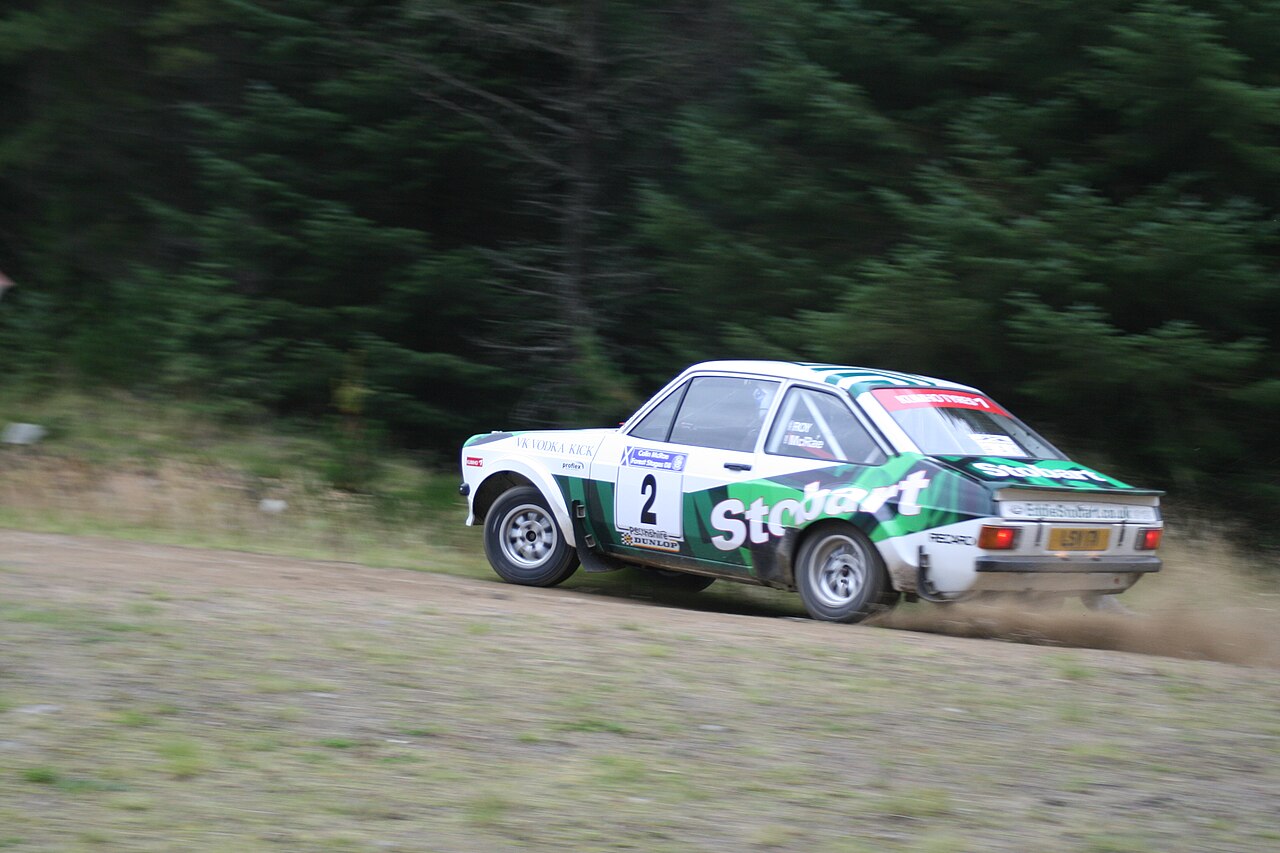
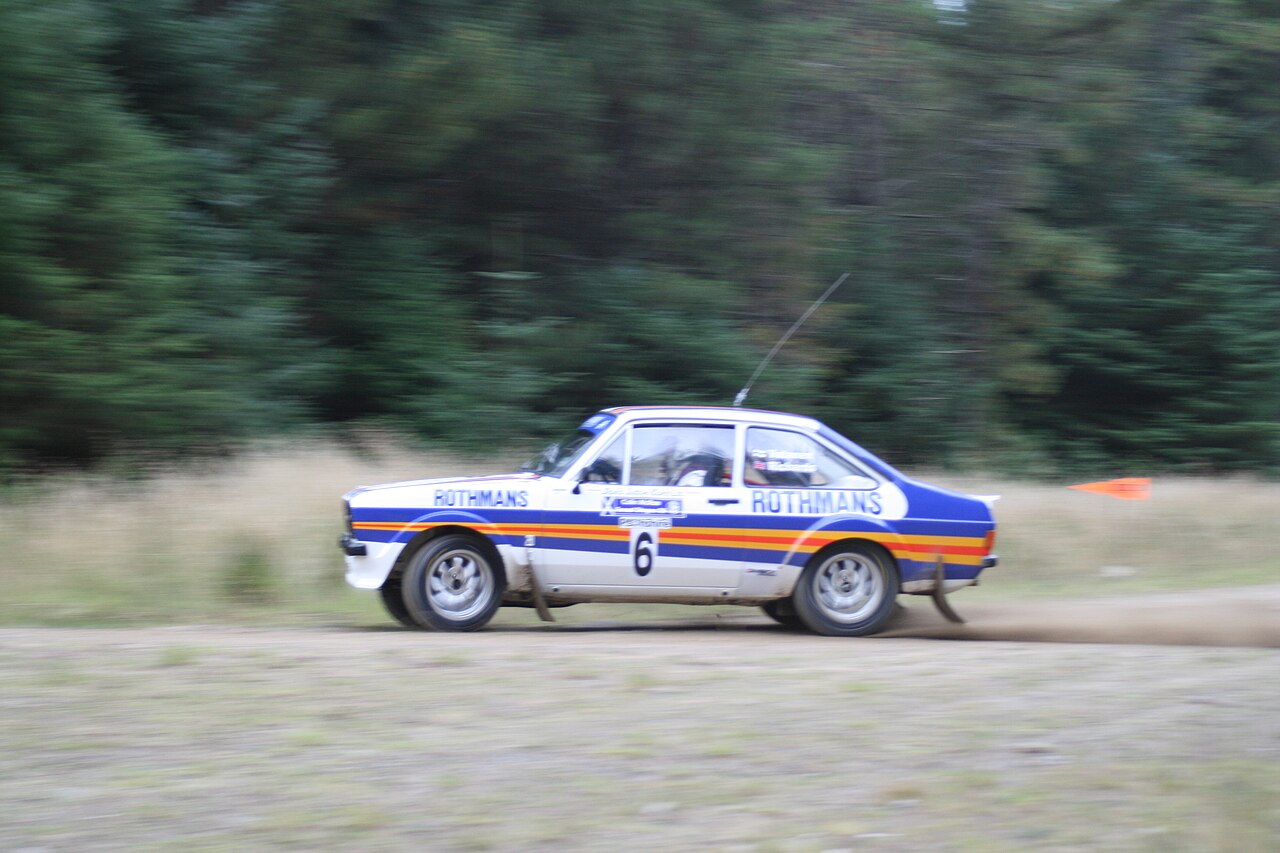
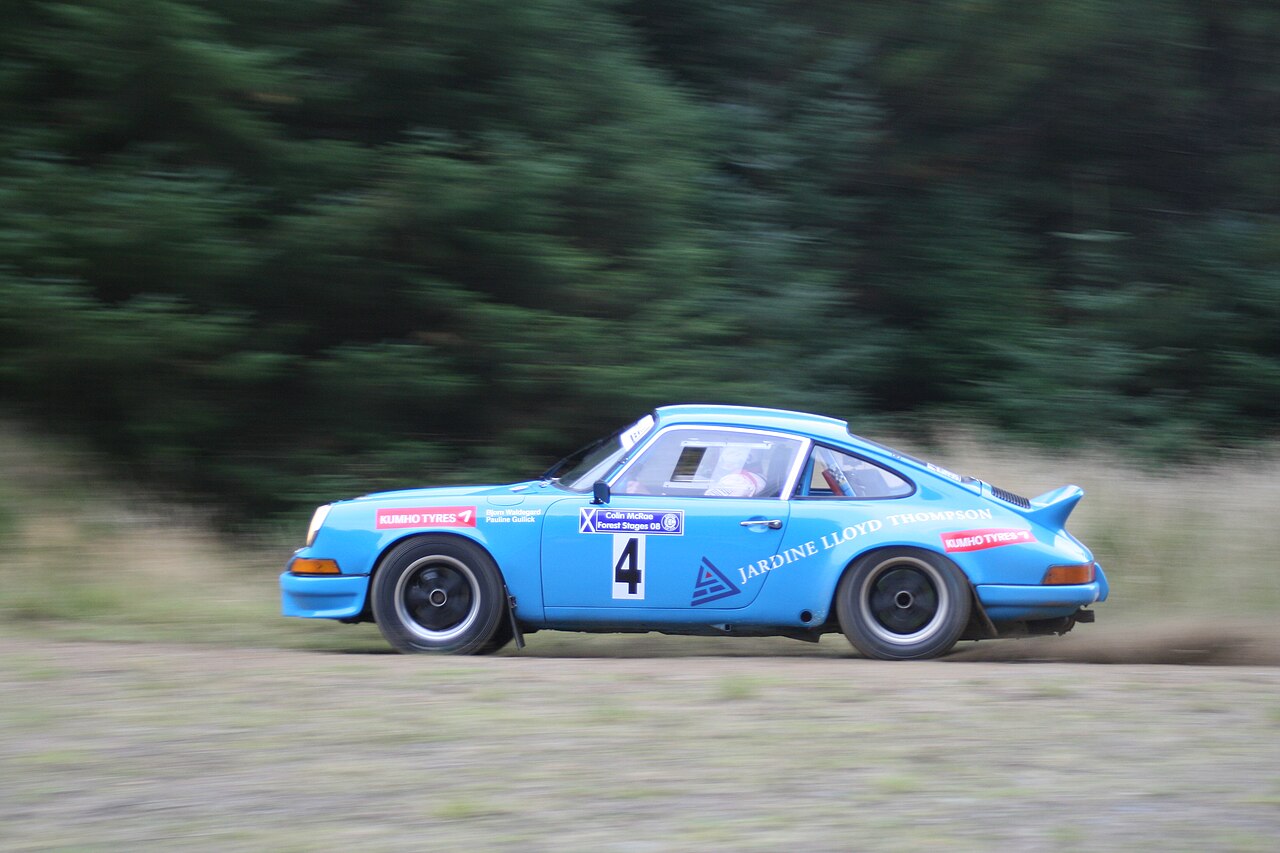
Frequently Asked Questions
Who is Colin McRae?
A Scottish rally driver from Airdrie who became one of WRC's most iconic and divisive competitors during the mid-1990s through mid-2000s. He is best remembered as the man who turned Subaru's Impreza programme into a genuine championship contender.
What made Colin McRae's driving style so distinctive?
He kept his left foot on the throttle while his right foot managed the brake, producing a relentless, flat-out attacking rhythm that set him apart from nearly every other WRC driver of his era. Fans often describe his gravel driving as if the car were being thrown at the road rather than steered along it.
What is Colin McRae's biggest WRC achievement?
He clinched the 1995 World Drivers' Championship behind the wheel of a Subaru Impreza, a title that remains one of the most celebrated individual wins in rally history. That season placed him in the same conversation as Sainz, Mäkinen, and Loeb as one of the sport's all-time greats.
Who was Colin McRae's regular co-driver?
Nicky Gidney served as his long-time co-driver throughout his WRC career, forming one of the most recognisable driver-navigator pairings of the 1990s. Their tandem was a fixture in Subaru's WRC programme during McRae's championship-winning years.
Why is Colin McRae so polarising among rally fans?
His ferociously aggressive approach and unapologetic showmanship earned him a devoted global following while simultaneously drawing criticism from rivals and purists who felt his style prioritised spectacle over precision. Decades later, that same intensity keeps him as one of the most debated names in WRC history.
More in Paddock & Rally Culture
Elsewhere in the World Rally Championship universe
Spotted an error? Know more?
This is a living reference — every entry is fact-audited, and reader corrections feed straight into our audit queue. Suggest an edit · See this site's audit record